Markets · Analysis
Australia’s Gas Reservation Law: What LNG Markets Need to Watch
Australia passed a law requiring LNG exporters to supply up to 20% of export volumes to the domestic market from 2028. Buyers and producers are focused on how contracts and exemptions work.
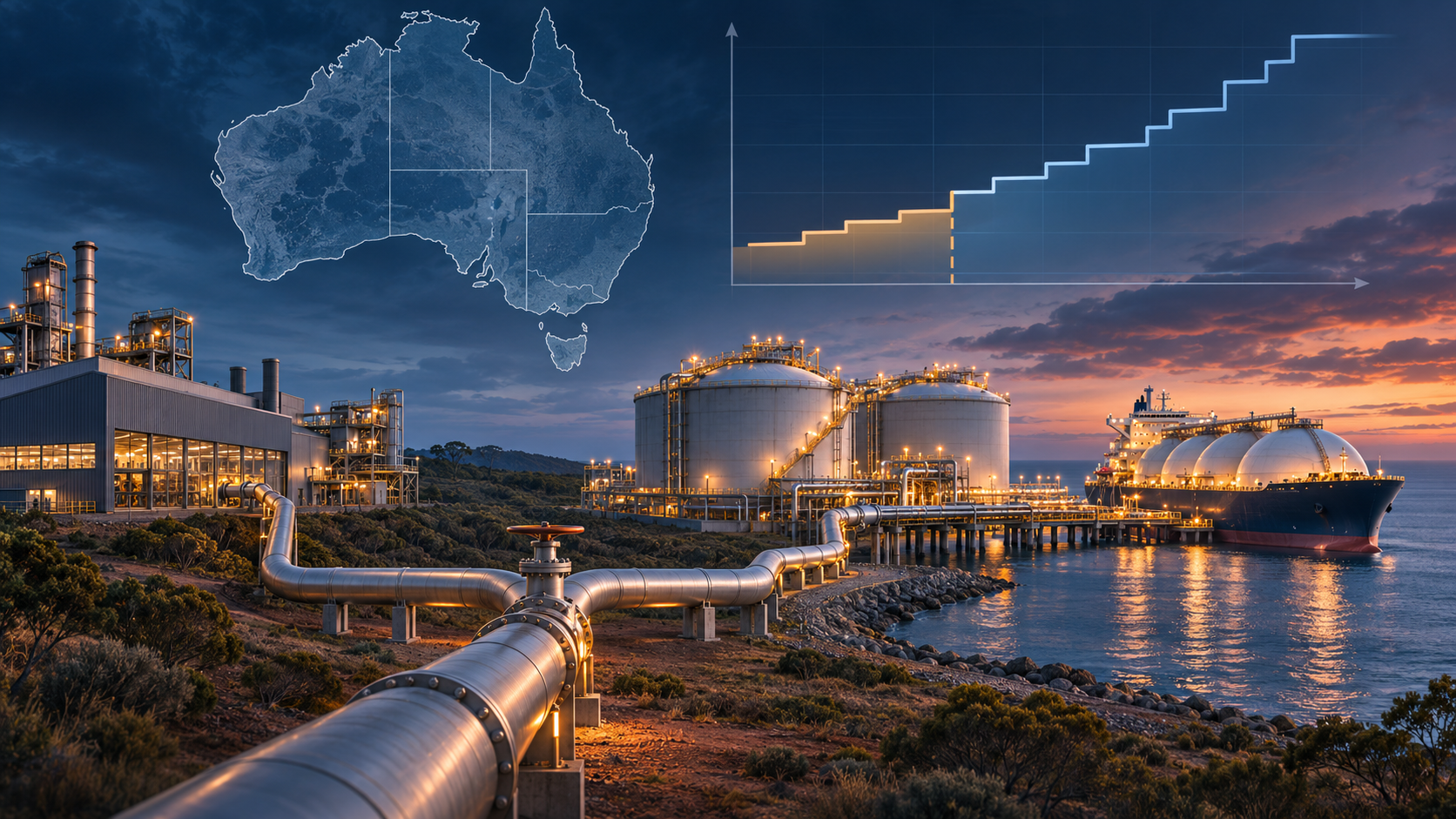
Australia’s Parliament passed a gas reservation scheme on November 27 requiring LNG exporters to supply up to 20% of annual export volumes to the domestic market. The obligations start on January 1, 2028. The law changes how gas may be allocated between Australian users and overseas buyers, but it does not immediately cancel export contracts or redirect cargoes.
Australia is a major LNG exporter, with Japan, China and South Korea among its buyers. Japan’s energy ministry said it would engage with Canberra about stable supply, while Tokyo Gas reported no immediate effect on existing offtake under its understanding of the exemptions. Contract treatment and licence conditions will determine the commercial impact.
How will the gas reservation scheme work?
The law creates an export licensing framework from January 2027. From January 2028, licence holders must supply a domestic volume set by the government, up to 20% of annual export volumes. The Australian Energy Regulator will administer the scheme; ministers will set licence conditions using advice from the regulator and market operator.
The 20% figure is a ceiling, not an automatic cut to every exporter’s cargoes. The government says the obligation will account for demand forecasts, existing arrangements and infrastructure limits. Western Australia’s existing reservation system is also recognized in the national framework.
Could the law reduce LNG exports to Asia?
It could change the supply balance over time, especially as contracts renew, but the final impact is not yet quantified. A smaller pool of flexible cargoes could intensify competition among Asian and European buyers during a disruption. If the policy supports additional production or clearer long-term domestic contracts, export availability may change less.
The government aligned the start date with industry contracting cycles and says it will consider existing arrangements. Buyers and producers will watch how those protections work as projects seek financing and contracts are renegotiated.
Does reserving gas solve Australia’s supply challenge?
Reservation changes who receives gas; it does not create new production or pipelines. The Australian Energy Market Operator forecasts peak-day shortfall risks in southern Australia from 2029 and says new supply investment will be needed from 2030 in most scenarios. The scheme is therefore part of a wider production and infrastructure challenge.
The next signals are licence conditions, the treatment of existing contracts and exporters’ investment plans. Local buyers will track how much gas is actually offered and whether prices respond. LNG buyers will monitor contract renewals and whether suppliers can meet export commitments while adding domestic supply.
The law is an allocation change that begins in 2028, not an immediate export shock. Its market effect depends on the final obligation and whether investment increases total supply enough to serve both domestic users and contracted buyers.
### When does the scheme begin?
Export licensing is intended to begin January 1, 2027. Domestic supply obligations start January 1, 2028.
### Will exporters reserve exactly 20% of production?
No. The law sets a maximum of 20% of annual export volumes; the government will determine the actual obligation.
### Does the law cancel LNG export contracts?
It does not immediately cancel existing contracts. Buyers are watching how the government applies protections for existing arrangements.
### Could the scheme raise LNG prices?
It could tighten flexible export supply, but the effect depends on licence conditions, contract treatment and new production.
Sources and further reading
- Australian Department of Industry — Domestic Gas Reservation Scheme
- Australian ministers — Gas reservation scheme passes Parliament
- Australian Energy Market Operator — 2026 Gas Statement of Opportunities
- S&P Global — Japan asks Australia to protect stable LNG supply
- U.S. Energy Information Administration — Global LNG trade in 2025