Markets · Analysis
Brazil’s Real Jumps as Lula Picks Banker for Finance Ministry, but Fiscal Test Remains
Brazil’s real rose 4% and long-dated bonds rallied after Luiz Carlos Trabuco accepted Lula’s invitation to lead the finance ministry in 2027. Investors still need fiscal follow-through.
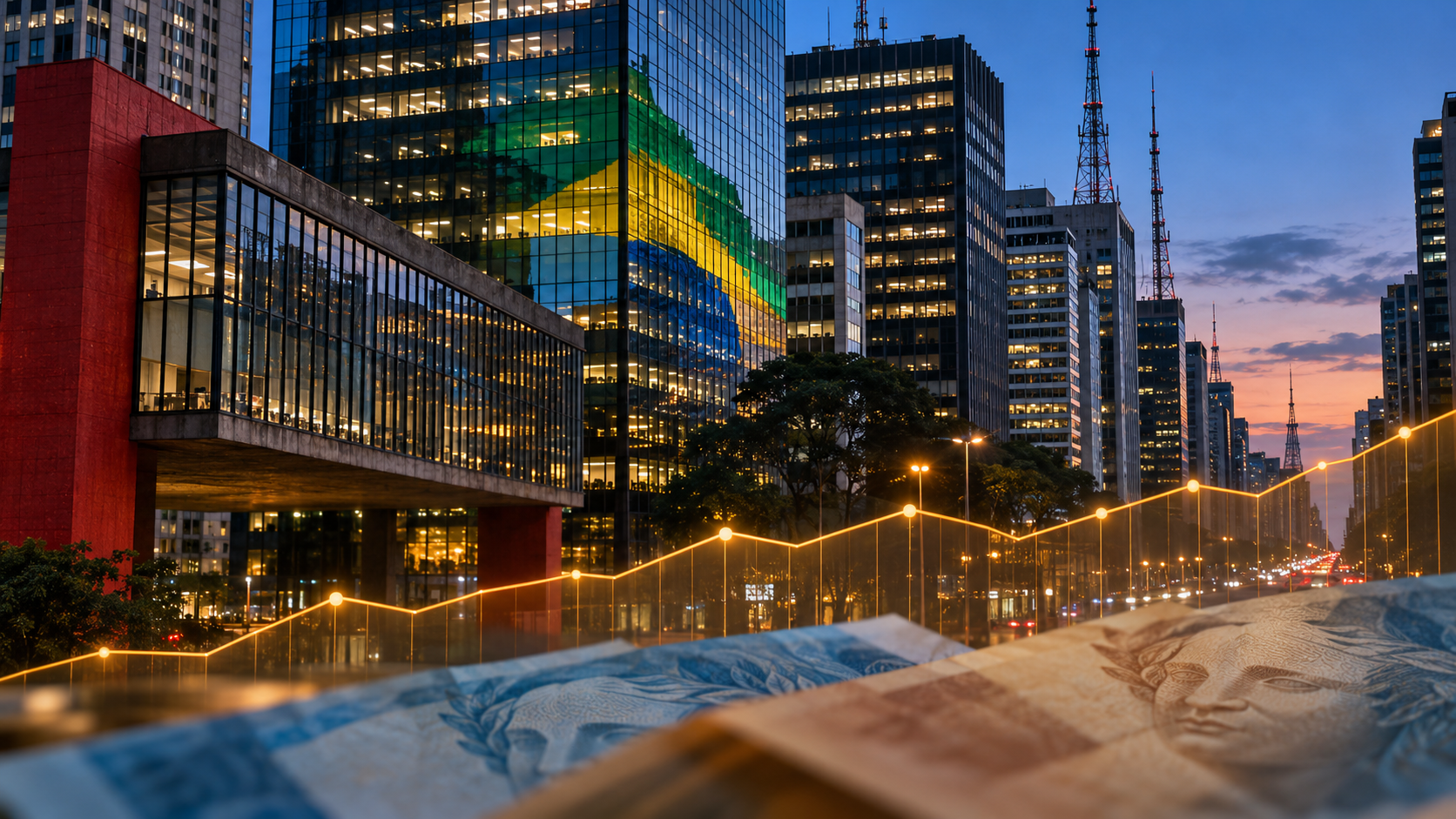
Brazilian markets rallied after Bradesco chairman Luiz Carlos Trabuco accepted President Luiz Inácio Lula da Silva’s invitation to become finance minister when the next administration begins on January 5, 2027. The real strengthened about 4% against the U.S. dollar on Friday, while interest-rate futures fell and international bonds advanced. The Bovespa index surged intraday before giving back most of the move and closing near flat. The split in price action matters: currency and debt investors welcomed the appointment, but equity buyers did not sustain the initial jump.
Trabuco’s selection followed several weeks of market concern over the fiscal direction of Lula’s fourth term. The announcement signaled an experienced business figure in the finance portfolio and was read by analysts as a more market-oriented choice. Yet a personnel decision does not itself change the budget, spending rules or debt trajectory. Brazil’s public debt is near 83% of GDP, and the benchmark policy rate is 13.75%, leaving fiscal credibility central to the outlook for borrowing costs and the currency.
Why did the Brazilian real strengthen?
Investors had sold Brazilian assets after Lula’s October re-election, expecting a looser fiscal stance and greater spending pressure. Trabuco’s reputation in the financial community reduced some of the political risk premium built into the real and government bonds. The currency had already strengthened on reports of talks before the formal confirmation, and Friday’s move extended that repricing.
Longer-dated Brazilian international bonds added around two cents on the dollar, broadly reversing losses since Lula’s victory, while rate futures fell sharply. Those moves indicate that investors marked down the near-term risk of a more expansionary fiscal course. They do not show that debt stabilization has been achieved. Price action around the appointment also reflects positioning and the speed of the previous selloff, so some of the rally can be a correction in expectations rather than a durable change in fundamentals.
What does the appointment mean for Brazil’s fiscal outlook?
The finance minister will need to demonstrate how the government intends to slow debt growth while honoring campaign commitments and maintaining political support. The government has announced measures targeting savings of 0.5% of GDP in 2027, but analysts cited by Reuters have argued that additional spending restraint may be needed to stabilize debt and financing costs. Trabuco may have credibility with investors, but delivering a fiscal package requires agreement inside the administration and Congress.
The policy trade-off will shape local rates and credit conditions. If the new team presents a credible path for primary balances and spending growth, lower risk premiums could support the real, reduce sovereign funding costs and ease pressure on domestic rates over time. If plans rely on optimistic assumptions or fail to pass, the currency and long bonds could surrender part of the relief rally. Brazil’s high policy rate makes that bond-market channel especially important for public debt service and private borrowing.
What should investors watch next?
The next tests are the composition of the incoming economic team, the first detailed fiscal measures, and whether the government can convert its announced savings into enacted policy. For the real, investors will track currency volatility and central-bank rate expectations; for sovereign debt, the key evidence will be borrowing needs and the credibility of medium-term debt projections. Friday’s rally shows that markets respond quickly to signals about policy direction. Sustained improvement requires measurable fiscal follow-through.
### Frequently asked questions
#### Why did Brazil’s currency rally after Trabuco’s appointment?
Investors viewed the selection of Bradesco chairman Luiz Carlos Trabuco as a signal that Lula may favor a more market-oriented approach to the finance ministry. The real strengthened about 4% on Friday after weakening in the weeks following the election.
#### Did Brazilian stocks rise as much as the real?
No. The Bovespa jumped as much as 3.9% intraday but closed near flat after giving back most of the gain. The currency and bond moves were more sustained in that session.
#### What will determine whether the rally lasts?
Investors will look for a credible plan to slow public-debt growth, specific spending measures and political support for implementation. The minister’s appointment can change expectations, but only enacted policy changes Brazil’s fiscal outlook.