Markets · Analysis
Copper Jumps 4.4% as China Rally Tests Demand Outlook
Copper surged 4.4% on Nov. 27 after China pledged stock-market support. A 14% monthly drop, elevated import premiums and tariff-driven inventories complicate the rebound.
Copper staged its largest daily percentage gain since February on Friday, but the rally arrived after a bruising monthly slide and was triggered mainly by a shift in market sentiment. Three-month London Metal Exchange copper rose 4.4% to $12,395 a metric ton by 1125 GMT on Nov. 27, after climbing as much as 6.4%. The most-active Shanghai Futures Exchange contract closed 5.5% higher at 93,660 yuan. Even after the rebound, copper had lost 14% for November and touched an 11-month low on Wednesday.
China’s cabinet called for a greater role for state-backed investors in stabilizing the stock market, helping Chinese shares post their strongest gains in two years. That policy signal lifted risk appetite across markets. China is the largest metals consumer, so a healthier equity market can support confidence in future activity. But a stock-market backstop does not itself create new copper orders. The first question for investors is whether physical buying and manufacturing data confirm the price move.
What drove copper’s 4.4% rebound?
The immediate catalyst was a China-led equity rally after Beijing signaled support for the stock market. October industrial profits also improved: profits at Chinese industrial firms above designated size rose 20.1% year over year, the fastest monthly pace in five months. The January-to-October increase reached 16%, according to official data. These figures suggest improving corporate conditions, though aggregate profits do not measure copper consumption directly.
Trading conditions amplified the move. U.S. markets were closed for Thanksgiving on Thursday, leaving liquidity thin. In that environment, a sharp change in sentiment and positioning can produce an outsized price response. Commodity strategist Ole Hansen of Saxo Bank told Reuters it was too early to call a market low and that traders needed to see whether better sentiment persisted into the following week.
Do physical indicators confirm stronger demand?
China’s Yangshan copper import premium stood at $320 a ton on Friday. That is well below a recent record of $500, but it remains high and signals that buyers continue to pay a substantial premium to bring metal into the country. This is a more direct demand indicator than the equity-market rally, although the decline from the record also shows that immediate tightness has eased.
Trade flows complicate the signal. High Chinese premiums have been drawing copper out of U.S. inventories accumulated ahead of expected U.S. tariffs. Metal can therefore move between regions as traders respond to tariff expectations and price differentials, changing local availability without a matching increase in global end-use consumption. Inventory location matters: a large stockpile in one market does not automatically relieve scarcity in another.
What should copper investors watch next?
The Friday surge is best read as a sentiment reset, not proof that the November decline has ended. Follow-through in Chinese industrial activity, import premiums, exchange inventories and fabricator buying would provide stronger evidence of demand. If prices hold gains while physical premiums stabilize at elevated levels, the rally would have a firmer foundation. If premiums keep falling and copper gives back its move as liquidity normalizes, the rebound may have been driven largely by short covering and risk appetite.
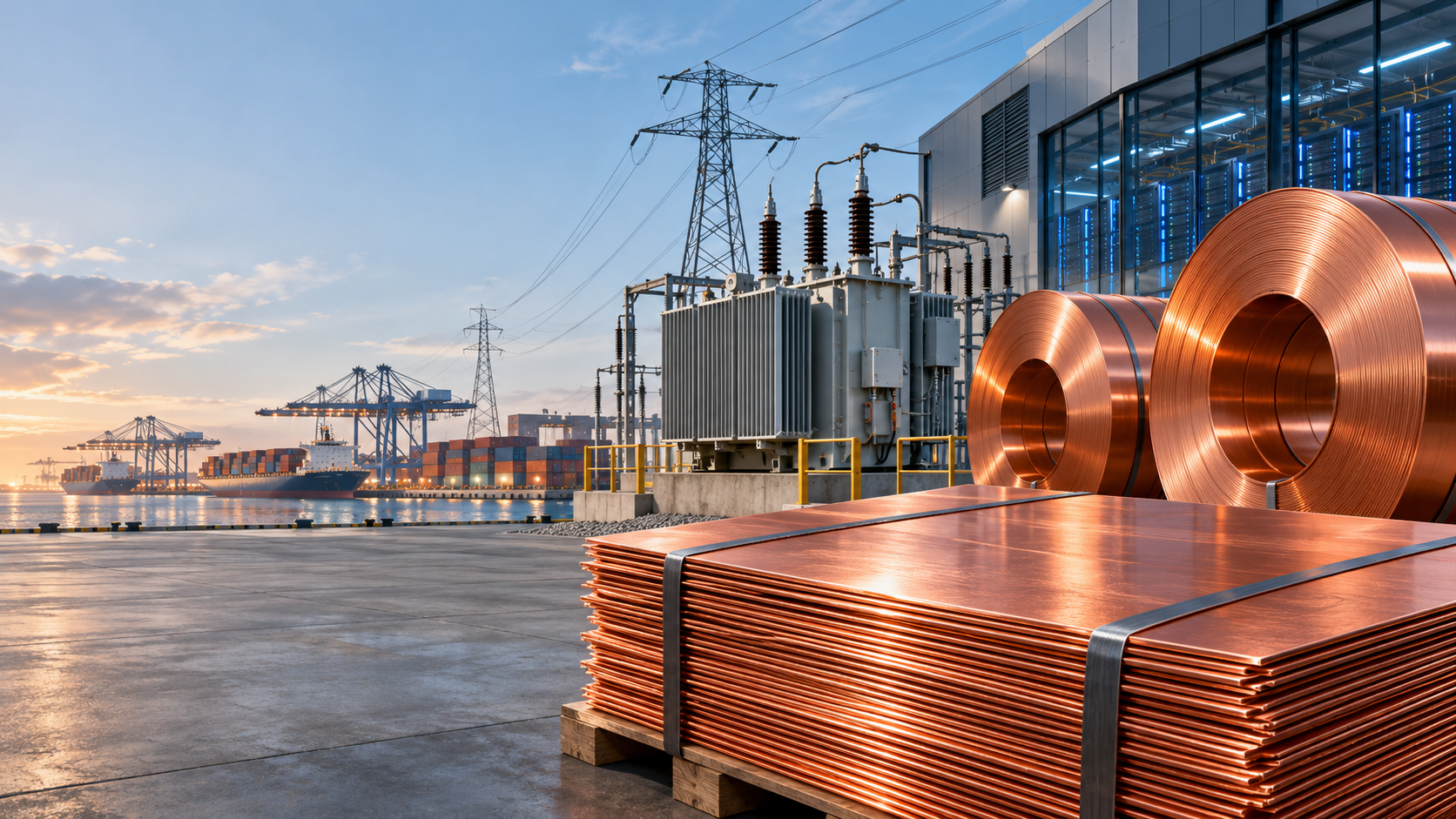
Longer-term electrification, grid expansion and data-center construction support copper’s strategic demand case. Yet those themes do not eliminate near-term sensitivity to interest rates, Chinese construction and manufacturing, or the timing of tariff-related inventory flows. China’s October profit growth is encouraging context, but its strongest gains were concentrated in electronics and high-tech manufacturing. Investors should distinguish that positive industrial backdrop from a broad-based acceleration in copper-intensive demand.
### Frequently asked questions
#### Why did copper prices rise on November 27, 2026?
Copper gained after China pledged stronger state-backed support for its stock market, lifting global risk appetite. Faster Chinese industrial profit growth also supported sentiment, while thin post-holiday trading magnified the move.
#### Does the rally mean copper demand has recovered?
Not by itself. The price move followed a 14% monthly decline and was led by financial-market sentiment. China’s still-elevated Yangshan import premium points to physical demand, but its fall from $500 to $320 a ton shows that tightness has eased from its peak.
#### How do U.S. tariffs affect copper inventories?
Expectations of U.S. tariffs have encouraged metal to accumulate in U.S. warehouses. High Chinese premiums can then pull those stocks toward China, shifting regional supply and potentially easing local shortages without proving that total global consumption has increased.