Markets · Analysis
Congo’s Cobalt Export Halt Sets Up a Supply Shock, but Demand Still Matters
The DRC will suspend all cobalt exports from November 30 while it resets quotas. The ban could support prices, but inventories, weak battery demand and copper-linked production limit the effect.
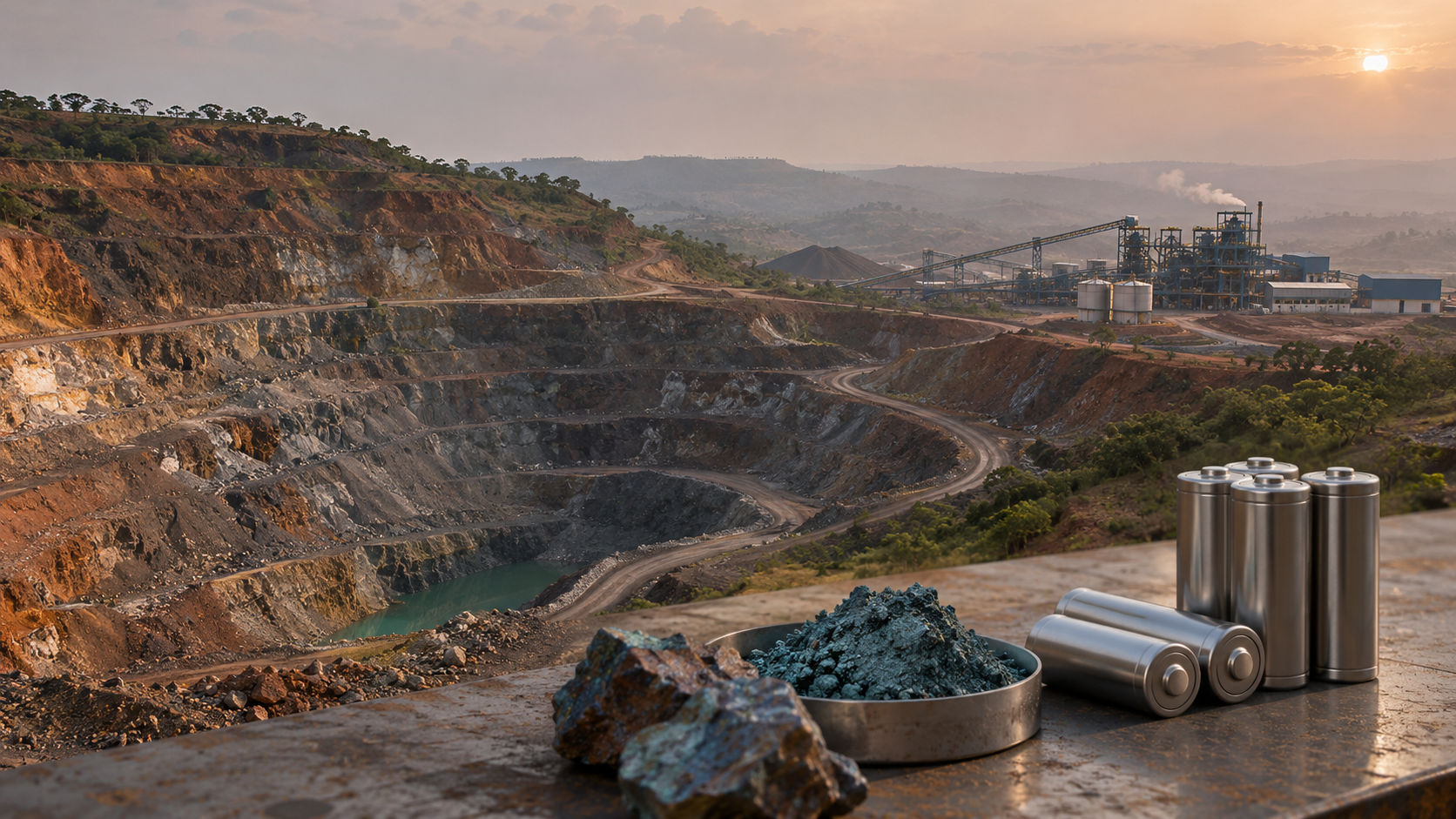
The Democratic Republic of Congo will suspend all cobalt exports from November 30 until further notice, a move that puts the world’s largest producer at the center of a renewed supply shock. The strategic-minerals regulator, ARECOMS, says it will use the suspension to review its quota system after falling prices, weak global consumption and rising inventories. The halt covers cobalt from industrial and artisanal mines, including previously approved shipments that have not left the country by the deadline.
For prices, the first effect is likely to come through expectations and availability of spot material. S&P Global Energy reported that Platts’ cobalt hydroxide assessment for China was $13 per pound on November 24, down 48.2% since the start of 2026 but above its October low. European cobalt metal was assessed at $18.15 per pound on November 20, down 24% year to date. The ban removes near-term export supply from a country that dominates mined cobalt, but the market also carries accumulated inventories and demand has softened.
How will the DRC cobalt export ban affect prices?
The suspension can tighten prompt availability, prompt buyers to secure material and support near-term prices. It also changes the quota regime: ARECOMS said previously allocated volumes that are not exported by November 30 will not automatically carry over or be reallocated. The export resumption will require a separate decision specifying dates, permitted volumes and allocation terms. The regulator says it will review the measure after four months, but that review does not automatically restart shipments.
This structure makes the announcement more consequential than a simple pause followed by a known return date. Buyers and producers must price uncertainty about the restart rules as well as the duration of the interruption. Yet an export restriction changes when material reaches the market; it does not necessarily reduce how much is mined. If output continues while exports are blocked, inventories can build inside the supply chain, delaying the price impact or intensifying pressure when shipments resume.
That distinction matters because cobalt is often produced alongside copper. Strong copper economics can keep mines running and generate cobalt by-product even when cobalt demand is weak. S&P Global Energy reported a large divergence between production and sales at a major producer, one contributor to the inventory build cited by market participants. A more durable rebalancing would require a closer match between production, sales and end-user demand, not only controls at the export gate.
What does the cobalt move mean for battery and mining companies?
Battery manufacturers and cathode producers may face higher procurement costs if the ban constrains available material and inventories prove less accessible than expected. Their ability to pass on costs depends on contract structures, chemistry choices and bargaining power with automakers. Cobalt producers outside the DRC could benefit from firmer prices, while refiners with diversified feedstock may gain value from reliable supply. These effects depend on the form and location of cobalt material: hydroxide, metal, intermediates and refined chemicals do not move in lockstep.
Substitution also limits the price response over time. Battery makers can adjust chemistries and sourcing, while recycling and non-DRC production can add supply. Such shifts take time and may not offset an immediate disruption, but they can weaken the long-run pricing power of a single producer. A sudden price increase can also encourage buyers to run down inventories or seek alternative materials, making demand less responsive to the headline news than the mining concentration alone suggests.
Investors should watch the regulator’s quota framework, physical inventories, realized producer sales, cobalt hydroxide and metal assessments, and battery demand indicators. The ban supports a near-term tightening narrative, but it does not resolve the structural surplus. The decisive question is whether the DRC’s quota reset leads to actual supply discipline while global consumption strengthens. Until then, cobalt prices will trade between the possibility of an immediate shipping squeeze and the persistence of material already in the market.
### When does the DRC cobalt export suspension start?
The suspension begins November 30, 2026. Cobalt that has not left the country by then is covered even if it was previously authorized for export.
### Does the four-month review mean exports automatically resume?
No. The regulator says the review will assess market conditions and inventories. A separate decision must specify any restart date, export volumes and quota conditions.
### Why might the ban fail to create a lasting cobalt price recovery?
The restriction can delay shipments without cutting mine output. Existing inventories, weak demand and cobalt produced as a by-product of copper mining can limit or postpone the supply impact.
Sources
- ARECOMS suspension notice reported by Agence Congolaise de Presse
- Reuters — Congo halts cobalt exports again to tackle oversupply
- S&P Global Energy — DRC cobalt suspension and market impact