Markets · Analysis
EU Delays Tighter Plug-In Hybrid Emissions Ratings to 2030: What Changes for Carmakers
The European Commission proposes freezing emissions utility factors for qualifying plug-in hybrids until 2030, easing near-term compliance pressure while keeping real-world emissions scrutiny in focus.
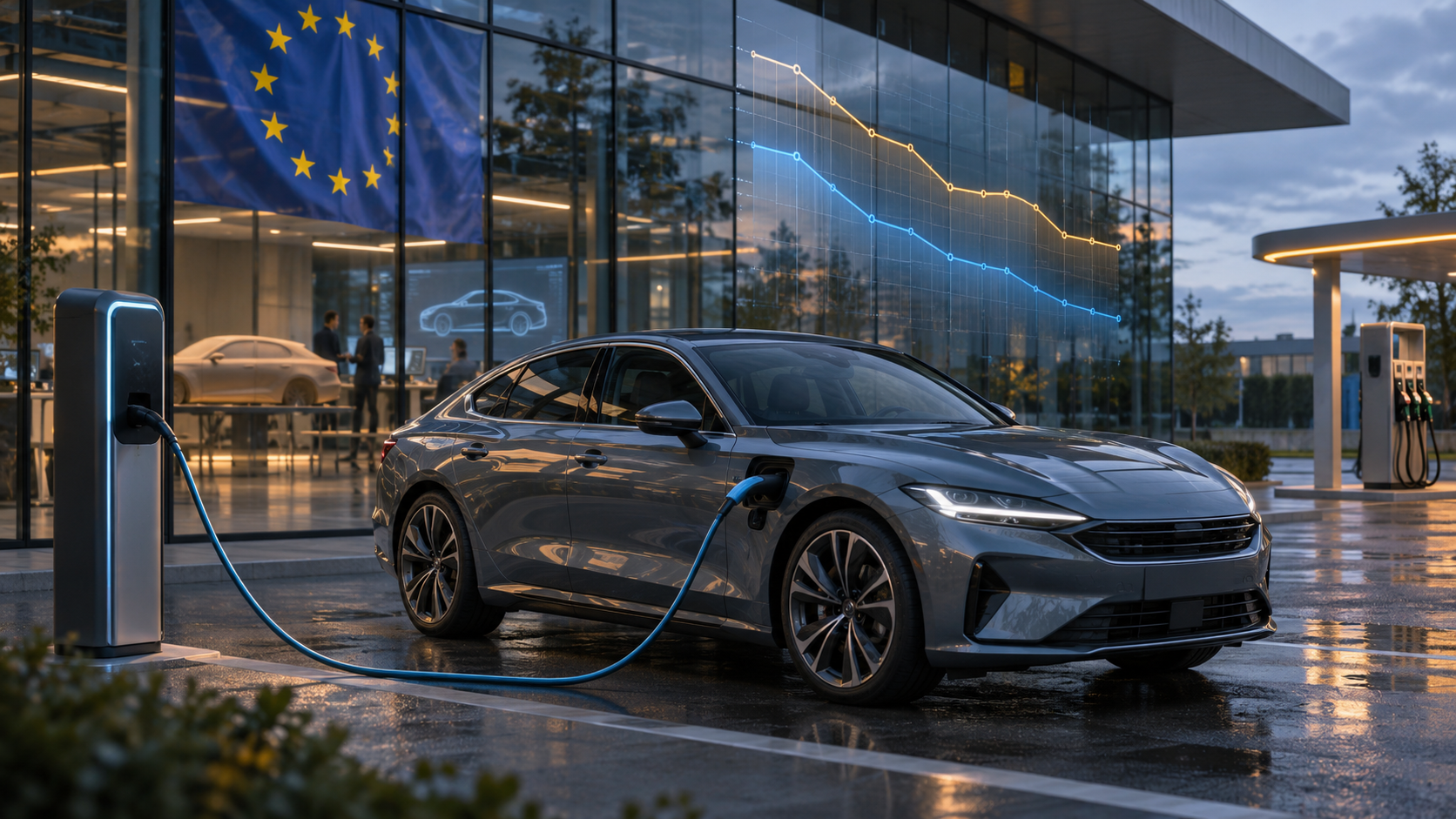
The European Commission has proposed postponing a tighter emissions calculation for certain plug-in hybrid vehicles (PHEVs) until 2030, giving eligible automakers more time before official ratings reflect weaker real-world electric driving. The change concerns the “utility factor,” an assumption about how much distance a PHEV travels using electric power. The revised calculation had been scheduled to take effect on November 29. Under the Commission proposal, qualifying vehicles would keep the 2025 utility-factor values through 2029.
Eligibility is limited to PHEVs with an electric range of at least 80 kilometres. The Commission says the temporary flexibility is intended to give manufacturers time to improve vehicles and encourage longer electric ranges. Its proposal is being submitted to the member-state technical committee, and the European Parliament or EU member states may object. It is therefore a regulatory proposal with a defined review path, not a blanket change for every hybrid vehicle.
Why does the utility factor matter to automakers?
The utility factor feeds into the official estimate of a plug-in hybrid’s carbon dioxide emissions. A higher assumed share of electric driving generally produces a lower calculated emissions figure. The Commission’s scheduled adjustment was designed to bring ratings closer to real-world usage, where some owners charge less often than the current assumptions imply.
Keeping the older calculation temporarily can reduce the immediate compliance burden for manufacturers whose fleets include qualifying PHEVs. It may also preserve the near-term role of plug-in hybrids in product plans while automakers invest in longer electric ranges. The economic benefit will vary by company: it depends on vehicle mix, sales volumes, fleet-average emissions, the cost of compliance and the actual electric range of each model. The rule does not erase the need to improve vehicles or meet other emissions requirements.
What is the market impact for European carmakers?
The proposal gives the sector more planning time and can support PHEV models as a bridge between combustion vehicles and fully electric cars. For manufacturers facing uneven electric-vehicle demand and high investment needs, a longer transition period may make product and capital plans easier to manage. Suppliers connected to batteries, power electronics and hybrid drivetrains may also see continued demand for qualifying models.
The policy has a counterweight: official emissions ratings would remain less aligned with observed driving patterns during the extension. Transport & Environment has said real-world PHEV emissions are substantially above official test figures. That discrepancy could keep pressure on regulators and investors to scrutinize how emissions performance is measured and whether manufacturers deliver the electric range promised by their vehicles.
Investors should treat the proposed delay as a near-term operating and planning relief for some automakers, not as proof that European climate rules are being abandoned. The key variables are whether the proposal clears the objection process, which models meet the 80-kilometre threshold, and how quickly manufacturers improve real-world electric use. From 2030, the Commission says utility factors will again be updated regularly using real-world PHEV performance.
### Frequently asked questions
#### What is the EU delaying for plug-in hybrids?
The Commission proposes postponing until January 1, 2030, a planned update to the utility factor used to estimate emissions for certain plug-in hybrids. The qualifying vehicles would retain 2025 calculation values in the interim.
#### Which plug-in hybrid vehicles qualify?
The proposal applies to PHEVs with an electric driving range of at least 80 kilometres. It does not automatically cover every hybrid or every plug-in hybrid model.
#### Has the EU finalized the change?
The Commission has proposed the measure through a technical committee process. EU member states or the European Parliament may object, so the proposal’s review status matters for manufacturers’ planning.