Markets · Analysis
German Home Prices to Rise Just 2% as Mortgage Costs Stay High
A Reuters poll sees German home prices rising 2% in 2027 and 2028, below prior forecasts. Mortgage rates near 4% keep buyers squeezed as rents rise faster.
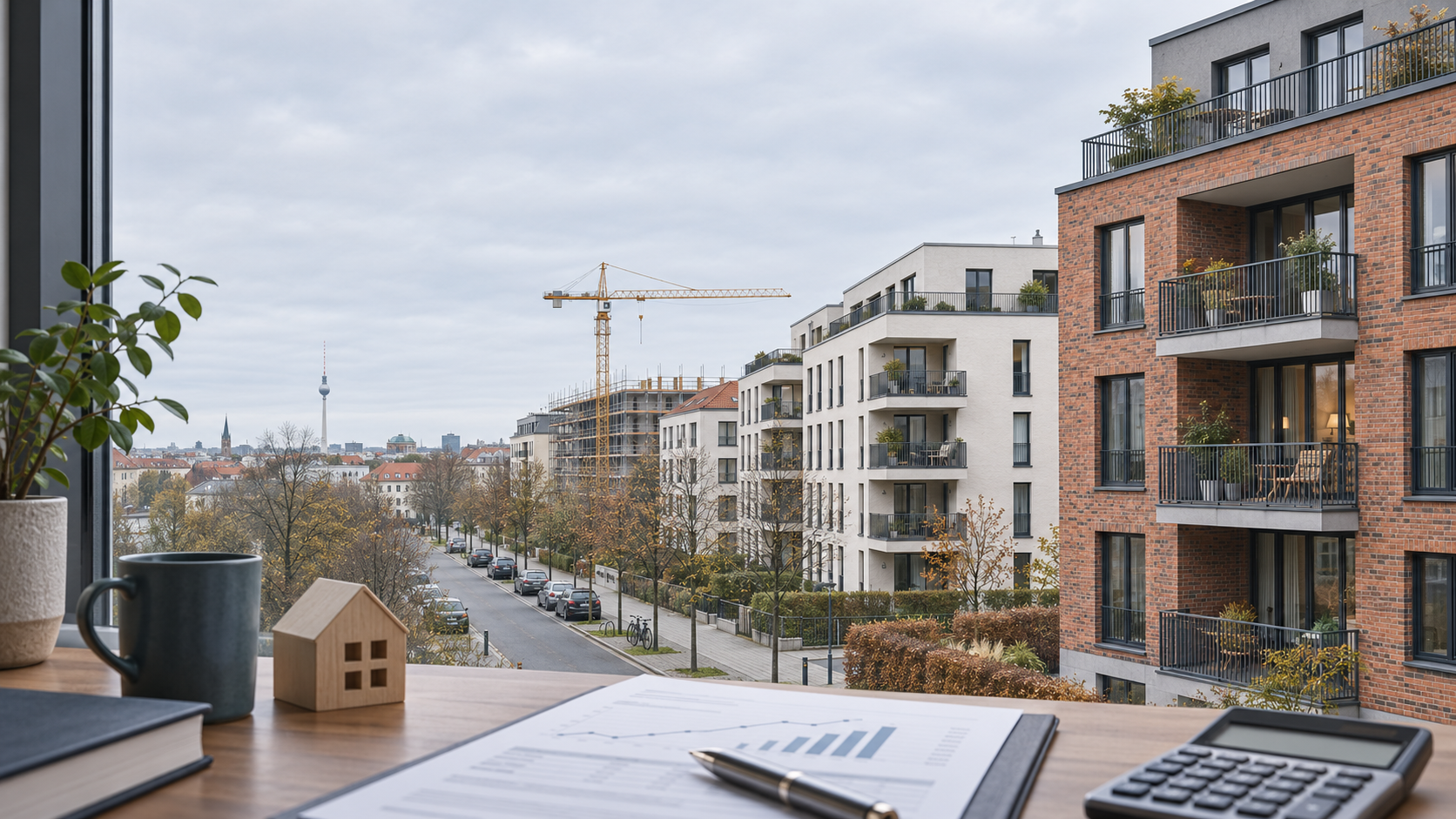
German home prices are expected to rise more slowly than analysts projected three months ago, as higher mortgage costs squeeze buyers and limit the housing recovery. A Reuters poll of 13 property analysts sees prices increasing 1.5% in 2026 and 2.0% in each of 2027 and 2028. The forecasts for the next two years are 0.5 percentage point below the August poll. Urban rents, by contrast, are expected to rise 3% to 4% over the next year, extending pressure on households that cannot buy.
The property market is being pulled in opposite directions. Higher borrowing costs and weak purchasing power restrain transactions and price growth; scarce housing supply continues to support prices and rent inflation. For investors, this points to a slow, uneven normalization rather than a sharp rebound. Homebuilders and brokers need transaction volume to recover, while landlords can benefit from rent growth but face household affordability limits and political scrutiny.
Why are German home prices growing more slowly?
Mortgage financing has become more expensive as energy costs and inflation have lifted bond yields and expectations for European Central Bank policy. German 10-year mortgage rates were slightly above 4%, according to analysts cited in the Reuters poll, more than three times their level three years earlier. Ten of 12 poll respondents expected rates in 2027 to remain broadly unchanged or rise, leaving first-time buyers with little near-term relief.
That cost increase reduces the amount households can borrow for a given monthly payment. It also raises the equity contribution needed to buy a home, making financing harder even if listed prices rise only modestly. Reuters reported that German home prices remained more than 8% below their 2022 peak, after the deepest downturn in decades. Prices had barely risen in the most recent quarter, according to the German Economic Institute, reflecting a recovery that has lost momentum as financing tightened.
Scarcity is the counterweight. When fewer households can afford to buy, some remain in the rental market, supporting demand for apartments. Reuters poll median forecasts put urban rent increases at 3% to 4%, above expected home-price growth. But rents cannot rise indefinitely without affecting household budgets, migration patterns and political pressure on housing policy.
What does the housing outlook mean for German property investors?
For residential landlords, rising rents can support like-for-like revenue and asset values, especially in supply-constrained cities. The trade-off is higher financing costs, increased refurbishment expenses and the risk that new rent rules limit pricing power. Investors should distinguish rent growth from total returns: interest expense, property taxes, maintenance and vacancy costs determine how much income reaches equity holders.
Homebuilders face a different hurdle. A 2% price-growth outlook can help protect project values, but subdued affordability may keep new sales and construction starts weak. Developers need evidence that mortgage approvals, reservations and completions are rising before treating modest house-price inflation as a broad demand recovery. Building-material suppliers and brokers likewise depend on activity, not simply price indices.
Banks and mortgage lenders should watch loan growth and borrower affordability. Higher rates can support interest income, but they can also suppress mortgage origination and increase the risk that households stretch debt-service capacity. The European Central Bank’s November Financial Stability Review said higher interest rates and lower consumer confidence had pushed demand for housing loans back into contractionary territory in the second quarter of 2026.
What should markets watch in 2027?
Track German mortgage rates, new building permits, transaction volume, rent growth and the ECB’s inflation response. A fall in financing costs could revive purchases faster than the poll anticipates, while persistently high rates would keep first-time buyers sidelined and extend rental demand. Supply is equally important: weak construction can support rents even as the transaction market remains thin.
The forecast is modest price appreciation, not another boom. The spread between 2% home-price growth and 3%–4% rent increases captures the market’s split: owners face expensive capital and buyers remain constrained, while tenants compete for limited stock. That divergence shapes the relative outlook for landlords, builders, lenders and households through 2027.
### How much are German home prices expected to rise in 2027? A November Reuters poll of property analysts forecasts German home prices will rise 2.0% in 2027, down from the 2.5% forecast in August.
### What is the forecast for German home prices in 2028? The Reuters poll also forecasts a 2.0% increase in 2028, 0.5 percentage point below the previous poll’s estimate.
### Why are German mortgage costs pressuring homebuyers? Mortgage rates are slightly above 4%, according to analysts cited by Reuters, while higher bond yields and inflation have increased monthly financing costs and reduced borrowing capacity.
### Are German rents expected to rise faster than home prices? Yes. Median forecasts in the Reuters poll put urban rent growth at 3% to 4% over the next year, compared with 2% annual home-price growth projected for 2027.
### How does the German housing outlook affect property investors? Landlords may benefit from rent growth in supply-constrained areas, while financing and maintenance costs weigh on returns. Builders and brokers need transaction volumes to recover, not just nominal home prices.