Markets · Analysis
Gulf of Aden Boarding Raises a Fresh Cost Question for Commercial Shipping
Armed men boarded a cargo ship near Yemen before leaving the vessel with its crew safe. The resolved incident adds a new security event for shippers already managing Gulf route risk.
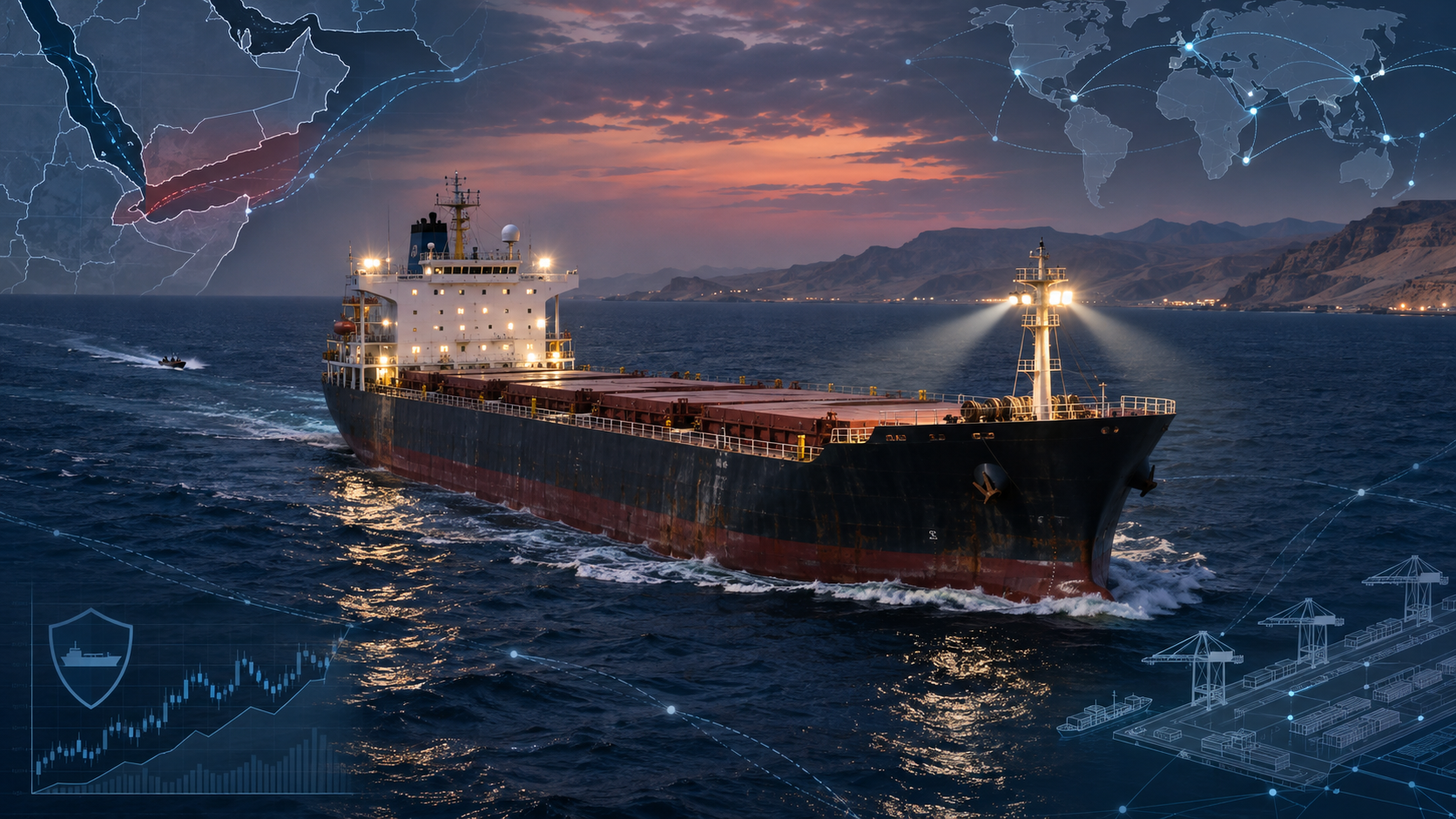
Armed individuals boarded and briefly took control of a cargo ship in the Gulf of Aden on Saturday, about 64 nautical miles southwest of Balhaf, Yemen, according to the United Kingdom Maritime Trade Operations (UKMTO). The armed group later left the vessel; the crew were reported safe and the ship continued toward its next port, the agency said. The incident ended without a reported injury or environmental impact, but it adds a fresh security event along a corridor that links the Indian Ocean to the Red Sea and Suez route.
What happened to the cargo ship?
The ship’s master reported the boarding at 06:30 UTC on November 28. UKMTO initially classified the event as a hijacking and said unauthorized personnel had command of the vessel. Later updates said the individuals exited the ship and that it was proceeding to its next port of call. The vessel’s identity and cargo were not disclosed in the initial warning, and authorities were investigating.
This episode needs to be separated from a second report the same day: the European Union’s maritime mission described armed pirates boarding a merchant vessel farther north, near Somalia. The agencies had not established that both reports involved the same ship. The distinction matters for operators assessing exposure across a wide patrol area rather than reacting to a single headline as a confirmed cluster of attacks.
How can a short-lived incident affect shipping economics?
The event did not close the Gulf of Aden or interrupt a named commodity flow. Its market relevance is through operating costs and route decisions. Shipowners and charterers weigh security-team requirements, voyage planning, insurance terms, and potential delays against the cost of longer detours. A confirmed takeover can prompt extra checks even when the crew and vessel are quickly released, especially when the route already sits near conflict-affected waters.
For energy markets, the event is a separate risk channel from disruption in the Strait of Hormuz. The Gulf of Aden is central to traffic moving between the Indian Ocean and Red Sea, while Hormuz connects Persian Gulf producers with global oil buyers. A single cargo-ship boarding does not imply a loss of oil supply. But several simultaneous security pressures can raise the cost of moving goods and add uncertainty to delivery schedules.
What should investors monitor?
The useful indicators are subsequent UKMTO advisories, whether authorities identify the vessel or attackers, and whether shipping firms change their transits or security procedures. For container lines, bulk carriers, insurers and fuel buyers, recurring incidents matter more than a one-off alert because sustained risk can affect premiums, charter rates and voyage times.
The immediate operational outcome is clear: the armed individuals left, the crew were safe, and the vessel continued. The broader question is whether the incident becomes an isolated event or contributes to a renewed rise in Gulf of Aden boarding attempts. Until there is evidence of a route closure or material freight disruption, the direct market impact remains centered on security costs and risk management rather than a measurable change in commodity supply.
Key takeaway
The November 28 boarding was serious for the vessel but resolved without reported injury, pollution or a continuing seizure. For markets, it is a fresh data point in maritime-security risk. The next signal is whether vessel operators and maritime authorities report repeated incidents that alter insurance pricing, routing or delivery times.
Frequently asked questions
### Was the cargo ship still hijacked?
No. UKMTO later reported that the armed individuals left the vessel, the crew were safe, and the ship was proceeding to its next port.
### Did the incident stop commercial shipping in the Gulf of Aden?
No route closure was reported. The event involved one cargo vessel, and the available updates said it continued its voyage.
### Why does the Gulf of Aden matter to markets?
It connects the Indian Ocean with the Red Sea and the Suez shipping corridor. Security costs or delays in the area can affect freight, insurance and delivery schedules for global trade.