Markets · Analysis
Russia’s Rising Domestic Gas Prices Complicate the Power of Siberia 2 Export Case
A Reuters-cited analyst says Russian wholesale gas prices now exceed U.S. industrial prices. That shifts the economics of the proposed Power of Siberia 2 pipeline and Moscow’s negotiating position with China.
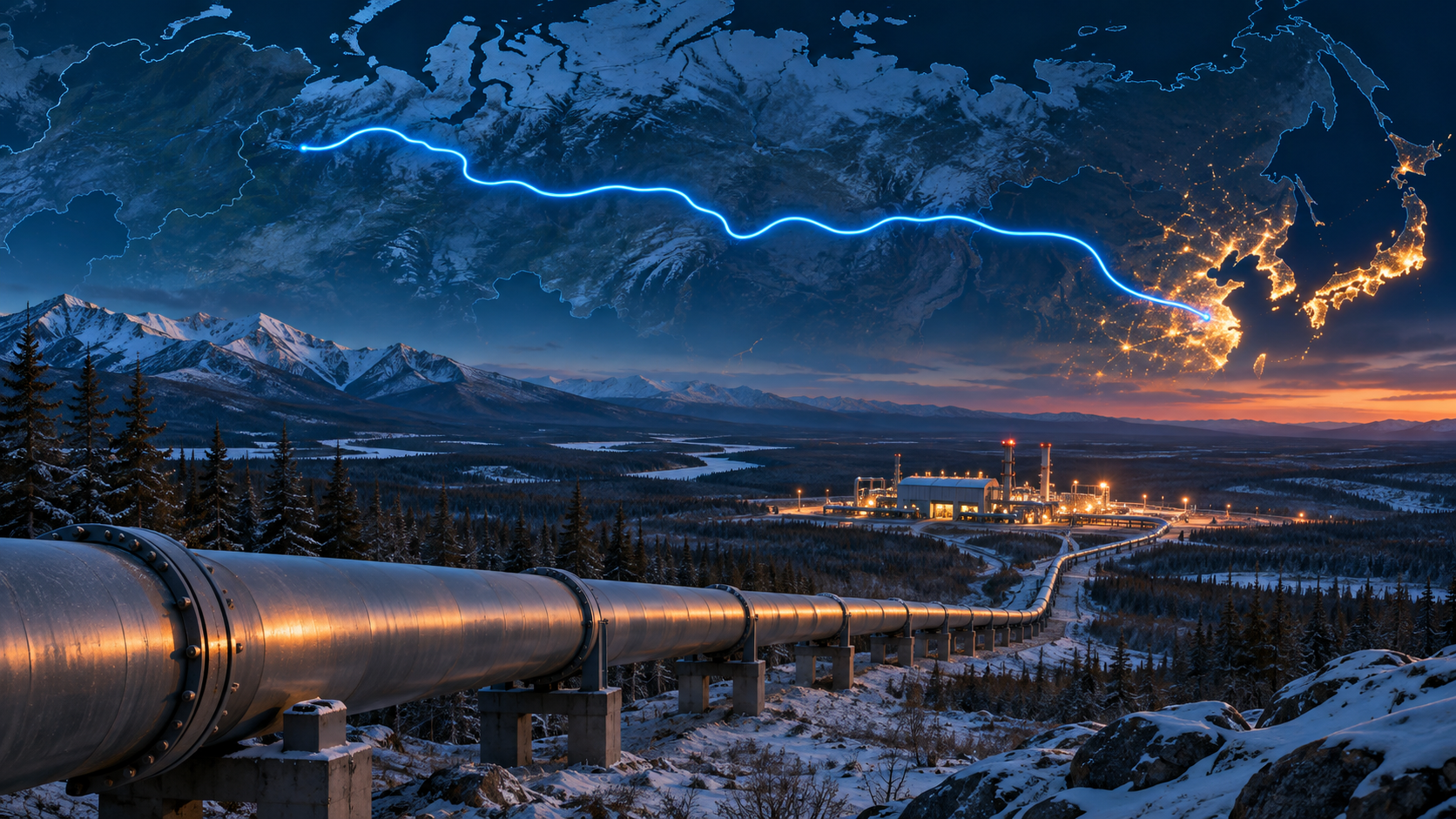
Russia’s domestic natural gas price has risen above the price paid by U.S. industrial consumers, a comparison that could reshape Moscow’s negotiating position with China over the proposed Power of Siberia 2 pipeline. Alexei Gromov of the Institute for Energy and Finance told a conference, according to Reuters, that wholesale prices in the Moscow region had reached 8,500 roubles, or about $103, per 1,000 cubic metres. He cited U.S. industrial prices of $80 to $95 per 1,000 cubic metres and warned that further Russian increases above inflation could complicate pipeline talks.
The commercial question is the price formula, not simply the size of China’s potential demand. A pipeline requiring large upstream and transport investment needs a long-term sales price that covers supply costs and infrastructure while remaining competitive for the buyer. If Russia’s domestic benchmark continues rising and the export price approaches it, Moscow can argue that China should pay more; Beijing can weigh that offer against alternative suppliers, LNG and the cost of committing to a new route.
Why do domestic gas prices affect a pipeline to China?
The proposed Power of Siberia 2 project would connect Russian gas resources to Chinese buyers over new infrastructure. Its economics depend on negotiated supply prices, transportation costs, construction financing, volumes and contract duration. Those terms have not been settled publicly. A domestic price increase matters because it raises the value of gas sold at home and changes the revenue Russia would seek from export sales.
Gromov said Russian prices could reach $120 to $130 per 1,000 cubic metres by the time the project comes online, if it proceeds after 2030. That is an analyst’s projection, not a tariff, agreed export price or official forecast. The same analyst argued that if China’s agreed price, including transportation costs, were close to the Russian domestic level, the project could effectively extend the domestic market into exports. For a seller, that could support project economics; for the buyer, the delivered price must still compete with other gas sources and its own pipeline alternatives.
The comparison with U.S. industrial prices is also a specific market comparison, not a universal global benchmark. U.S. pipeline gas has different transport, tax and market conditions from Russian domestic supply and potential exports to China. The price gap signals a shift in relative economics, but the contract’s actual reference price and delivery obligations will determine the project’s viability.
What does the negotiation mean for Gazprom and gas markets?
For Gazprom, China represents a large potential market as European pipeline sales have contracted. A long-term agreement could underpin upstream development and infrastructure investment, but weak pricing could limit the economic return while the pipeline requires substantial capital. The buyer’s leverage is strengthened when suppliers compete for access to its market, while Moscow’s hand depends on the availability and cost of alternative gas outlets.
The project also matters for Asian gas balances. If built and used at scale, it could redirect Russian supply eastward and affect the mix of pipeline gas and LNG available to Chinese buyers. It would not automatically displace LNG: delivered prices, seasonal demand, contract flexibility, infrastructure completion and domestic consumption all shape procurement. The IEA says Russian pipeline deliveries to China increased modestly in 2026, showing that existing routes already provide a base for bilateral gas trade even as the larger proposed pipeline remains under discussion.
What should energy investors watch?
Look for a binding intergovernmental or commercial agreement, a disclosed price formula, purchase volumes, take-or-pay terms, project financing and a construction schedule. Domestic tariff increases and regulated price plans will indicate the changing opportunity cost for Russian suppliers. For LNG and Asian gas markets, watch Chinese import demand, spot LNG pricing and the utilization of existing pipelines.
The pricing gap puts a sharper figure on the negotiating tension. Russia must balance export revenue against domestic sales and the cost of new infrastructure; China must compare long-term pipeline commitments with other supply options. Until those terms are agreed, Power of Siberia 2 remains an option in the energy balance rather than a contracted flow of new gas.
### What is the Power of Siberia 2 pipeline? It is a proposed pipeline project intended to deliver Russian natural gas to China. Price, financing and commercial terms remain under negotiation.
### What Russian and U.S. gas prices did the Reuters-cited analyst compare? The analyst cited Moscow-region wholesale prices of 8,500 roubles, about $103, per 1,000 cubic metres, versus U.S. industrial prices of $80 to $95 per 1,000 cubic metres.
### Has Russia agreed a gas price with China for Power of Siberia 2? No agreed price formula was reported. The domestic-price comparison highlights a point of negotiation; it does not establish the export price.