Markets · Analysis
Saudi Vision 2030 Spending: Investors Face a New Test of Returns
Saudi Arabia says Vision 2030 spending will become more selective. The 2027 budget shows how investors can measure project discipline, debt costs and private-sector opportunities.
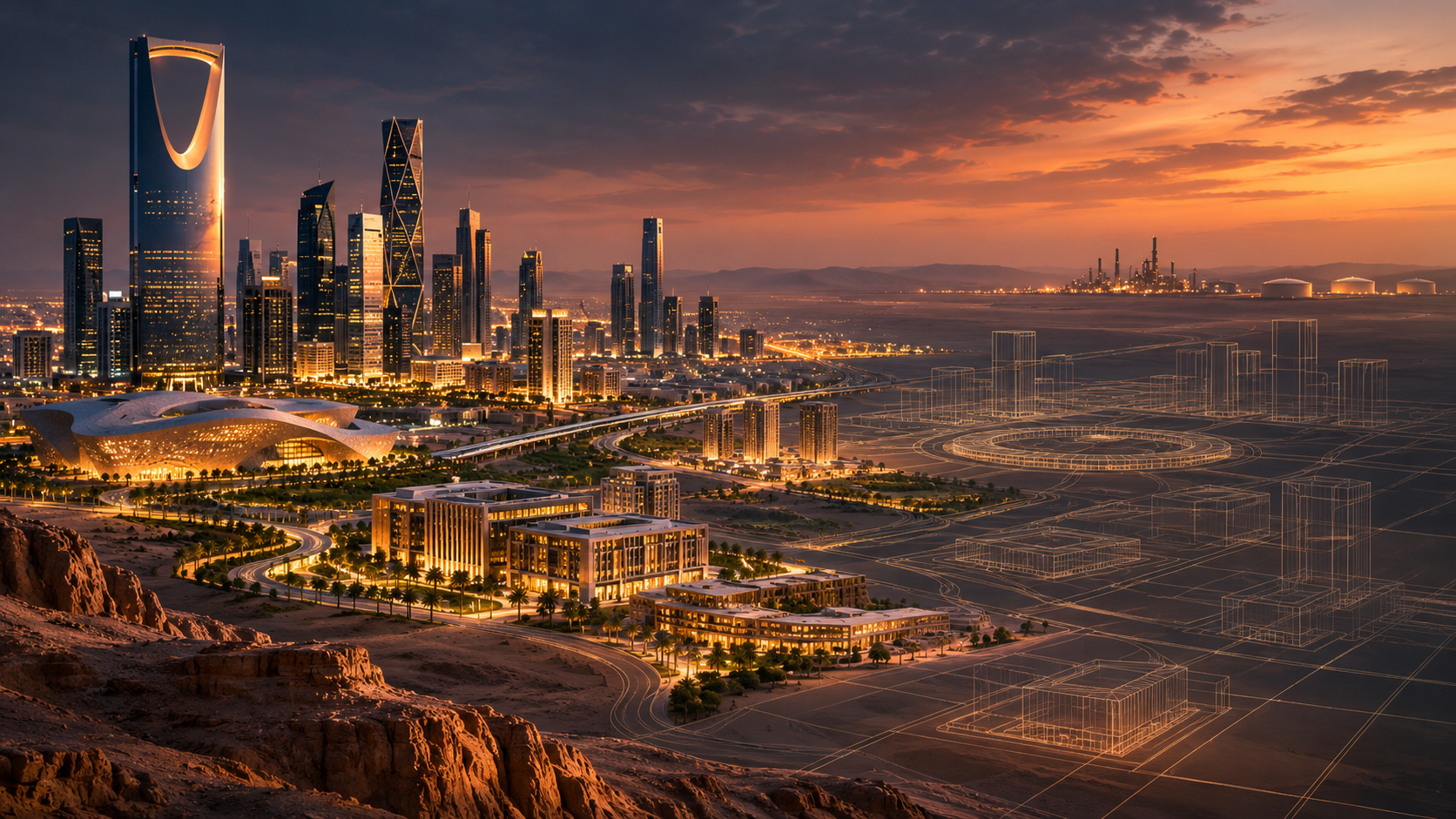
Saudi Arabia is changing the performance test for Vision 2030. Economy Minister Faisal Alibrahim told CNBC that the kingdom is moving from rapid spending and delivery toward deploying capital with greater precision. The shift follows reassessments of high-profile projects and comes as regional security risks and weaker economic activity place a higher premium on execution quality.
For investors, this is not a signal that Saudi Arabia has abandoned diversification or turned off public investment. The FY2027 budget still projects spending of SAR1.392 trillion. The signal is that headline project scale may carry less weight than completion economics, delivery timing and the private investment each public riyal can attract. That change could reshape the opportunity set for contractors, lenders, materials suppliers, tourism operators and foreign companies seeking Saudi partnerships.
What does Saudi Arabia’s spending shift mean?
The practical change is a higher hurdle for projects that depend on long periods of government funding before producing economic activity or cash flows. A project can remain strategically important and still be resized, sequenced differently or delayed when costs, financing requirements or delivery capacity change. That is a capital-allocation decision rather than proof that the broader diversification strategy has ended.
The distinction matters because some Vision 2030 assets are public infrastructure, while others are commercial ventures expected to attract visitors, tenants, customers or private capital. Their returns arrive on different timelines. Transport links, utilities and digital networks can enable broader development, but a destination, event venue or luxury real-estate project needs sustained demand and operating economics of its own. Investors should therefore assess each asset against its revenue path, funding structure and dependencies instead of treating the Vision 2030 brand as a single investment thesis.
What does the 2027 budget show?
The Ministry of Finance forecasts SAR1.202 trillion of revenue against SAR1.392 trillion of expenditure, leaving a SAR191 billion deficit, or about 3.6% of GDP. It projects public debt at SAR1.923 trillion, equal to 35.9% of GDP, by the end of 2027. The government also expects to maintain reserves of roughly SAR399 billion at the Saudi Central Bank.
The spending plan contains both support and constraint. Total expenditure is below the ministry’s 2026 estimate of SAR1.436 trillion, but remains above the 2025 actual level of SAR1.388 trillion. Capital expenditure is budgeted at SAR178 billion, slightly below the 2026 estimate, while financing expenses rise to SAR93 billion. Interest and other financing costs absorb funds that could otherwise support investment or services. The deficit is planned to narrow from the ministry’s 2026 estimate of SAR245 billion, even as borrowing lifts the projected debt stock.
Those figures make the minister’s emphasis on precision measurable. A credible reset would show up in lower-cost delivery, projects reaching operating milestones, increased private co-investment and non-oil activity capable of sustaining new assets. A slower pace alone would not prove better returns; delays can also increase costs and defer revenues.
Which markets and companies are most exposed?
Construction and engineering firms face a more selective pipeline. Contractors with strong cost controls, local delivery capacity and experience in transport, utilities, logistics or essential infrastructure may be better positioned than businesses whose outlook depends on a small number of speculative landmark developments. Suppliers should watch tender awards, payment cycles, contract revisions and changes in project scope for evidence of where capital is being redirected.
For lenders and bond investors, the core questions are the financing mix and the fiscal path. A SAR191 billion deficit is meaningful issuance capacity, while the projected debt ratio remains below 36% of GDP. The combination signals continued borrowing alongside an effort to preserve fiscal room. Financing expenses rising to SAR93 billion make project prioritization increasingly relevant to debt-service capacity, especially if revenues fall short or borrowing costs remain elevated.
Private investors should track whether project reassessment creates clearer entry points: concessions, joint ventures, asset sales, infrastructure partnerships and operating contracts. A larger private-sector role is not automatic. It requires bankable terms, predictable regulation, transparent procurement and demand assumptions that survive beyond launch announcements. The new 15% minimum effective tax rate for multinational companies is also part of the evolving business framework; firms will weigh it alongside market access, local requirements and expected returns.
What should investors monitor next?
Watch the gap between budget allocations and actual spending, the timing of major tenders, project financing announcements and the conversion of construction into operating revenue. Tourism arrivals, hotel occupancy, logistics volumes and private investment commitments can help distinguish active diversification from capital-intensive building with a longer payoff.
Saudi Arabia’s 2027 budget is still large, and its deficit and debt are rising in absolute terms. The policy shift is about the quality and sequencing of spending. For markets, the decisive evidence will be whether a more selective approach produces commercially viable assets, stronger private participation and durable non-oil growth without steadily increasing the fiscal cost of each new milestone.