Markets · Analysis
Taiwan Nuclear Referendum Clears Threshold, Opening a New Policy Path for Chip Power
Taiwan voters backed ending the nuclear-free policy, with the reported yes tally exceeding the legal threshold. Reactor reviews and licenses still determine when power can return.
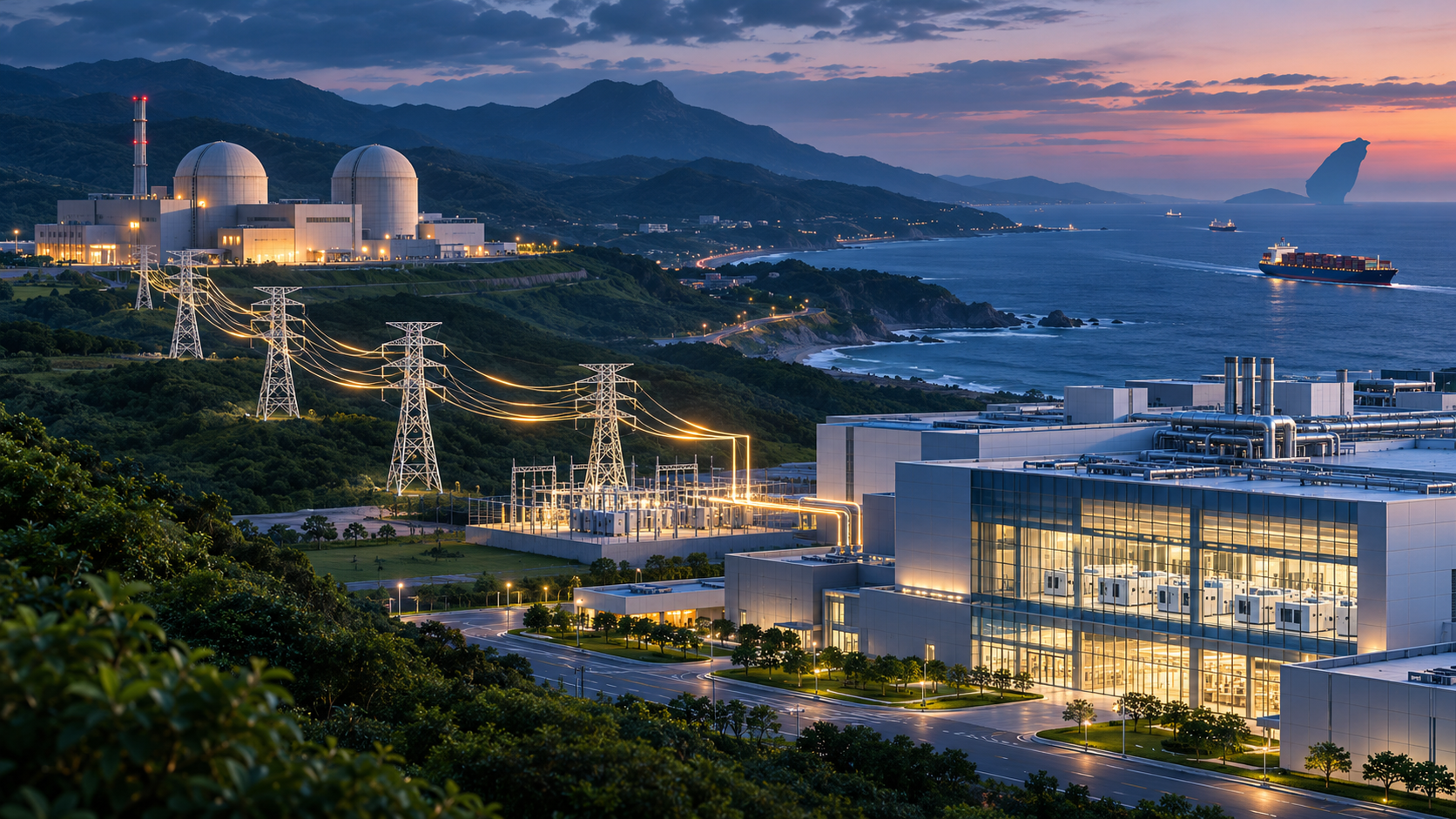
Taiwan’s November 28 referendum on ending its “Nuclear-Free Homeland” policy has cleared the legal yes-vote threshold, according to the Central Election Commission count reported by Focus Taiwan. With nearly all polling stations counted by 10 p.m. local time, the tally stood at 7.38 million yes votes, above the required 5.01 million. The result gives the government a mandate to pursue nuclear power development, but it does not authorize a specific reactor to restart or add electricity to the grid immediately.
The result matters to semiconductor producers because chip fabrication depends on reliable electricity. For investors, the signal is a changed policy direction; the commercial impact depends on safety reviews, licensing, investment decisions and grid planning. Those steps determine whether nuclear generation returns and when.
What does the referendum result change?
The reported vote count passed both legal tests: valid yes votes exceeded no votes and crossed one-quarter of eligible voters. The Central Election Commission still needs to publish the certified result. Under Taiwan’s Referendum Act, passage of a major-policy referendum requires the president or responsible authority to take the necessary steps to implement the vote. That makes a formal policy response the next milestone for utilities, reactor operators and energy-intensive manufacturers.
Why does the vote matter to Taiwan’s chip industry?
The Taiwan Semiconductor Industry Association says stable, sufficient electricity is crucial to the sector and supports evaluating nuclear restarts subject to safety and regulation. TSMC represents more than 40% of Taiwan’s listed equity market, making the island’s power reliability an important input to technology-sector risk.
Taiwan shut its last operating reactor in May 2025. Nuclear power supplied about 4% of electricity in 2024, according to the U.S. Energy Information Administration. The current 2030 energy plan targets a mix of 50% natural gas, 30% renewables and 20% coal. A nuclear return could alter gas imports, grid investment and energy costs for manufacturers, but those effects depend on approved projects and delivery dates.
Does the result restart a reactor?
No. Referendum No. 22 is a policy vote, not an operating licence. Safety inspections, regulatory review and licensing requirements remain in place. The government has evaluated possible restarts, including Maanshan, but an evaluation is not permission to generate electricity. Taiwan’s last operating reactor shut down in May 2025, so there is no idle reactor that can be switched on as an immediate response to the result.
The earliest market effect is therefore a change in expectations about policy and future fuel demand. Actual supply, utility investment and company costs would change only as projects pass regulatory milestones and return to service.
What did Taiwan’s stock market signal before voting?
The Taiex rose 0.4% on Friday to 39,308.08. TSMC gained 1.63% and contributed about 280 points to the index’s 156-point rise, while foreign institutional investors sold NT$29.63 billion of shares. The advance was concentrated in the largest company even as overseas investors reduced exposure.
That split reflects the wider investment case: AI demand supports chip earnings, while power reliability and foreign flows shape the risk premium. The referendum adds a policy variable, but it does not replace the earnings outlook or market positioning.
What should investors watch after the result?
The next signals are certification of the vote, the government’s formal response, safety-review decisions and licensing steps for any proposed restart. Investors can then assess revisions to the energy plan, utility investment and changes to expected gas demand. Those are the links between the result and company economics. Until capacity returns to service, the outcome changes expectations more than electricity supply.
### What did Taiwan’s nuclear referendum decide?
The “yes” vote to abandon the nuclear-free policy passed the required threshold in the reported count, which reached 7.38 million yes votes by 10 p.m. on November 28. The Central Election Commission must publish the certified result.
### Does the referendum immediately restart nuclear plants?
No. A reactor must still meet safety, regulatory and licensing requirements before it can operate.
### Why does electricity reliability matter to chipmakers?
Semiconductor fabrication needs continuous, high-quality power. Supply disruptions or higher energy costs can affect production and operating expenses.
Sources and further reading
- Focus Taiwan — Polls open for Taiwan’s local elections and nuclear referendum
- Focus Taiwan — Yes votes reach threshold to abolish nuclear-free policy
- Taiwan Central Election Commission — Referendum 22 notice and ballot question
- Taiwan Ministry of Justice — Referendum Act, Article 29
- Reuters via MarketScreener — Taiwan semiconductor industry group backs nuclear restart review
- U.S. Energy Information Administration — Taiwan country analysis
- Taipei Times — What Taiwan’s nuclear referendum can change
- Focus Taiwan — Taiwan shares end slightly higher on late buying of TSMC