Markets · Analysis
TBS Energi Wins Approval for HPS’s S$555 Million Waste Platform Investment
TBS Energi shareholders approved an HPS-managed investment of up to S$555 million in its waste-platform holding company, backing Asian expansion in staged tranches.
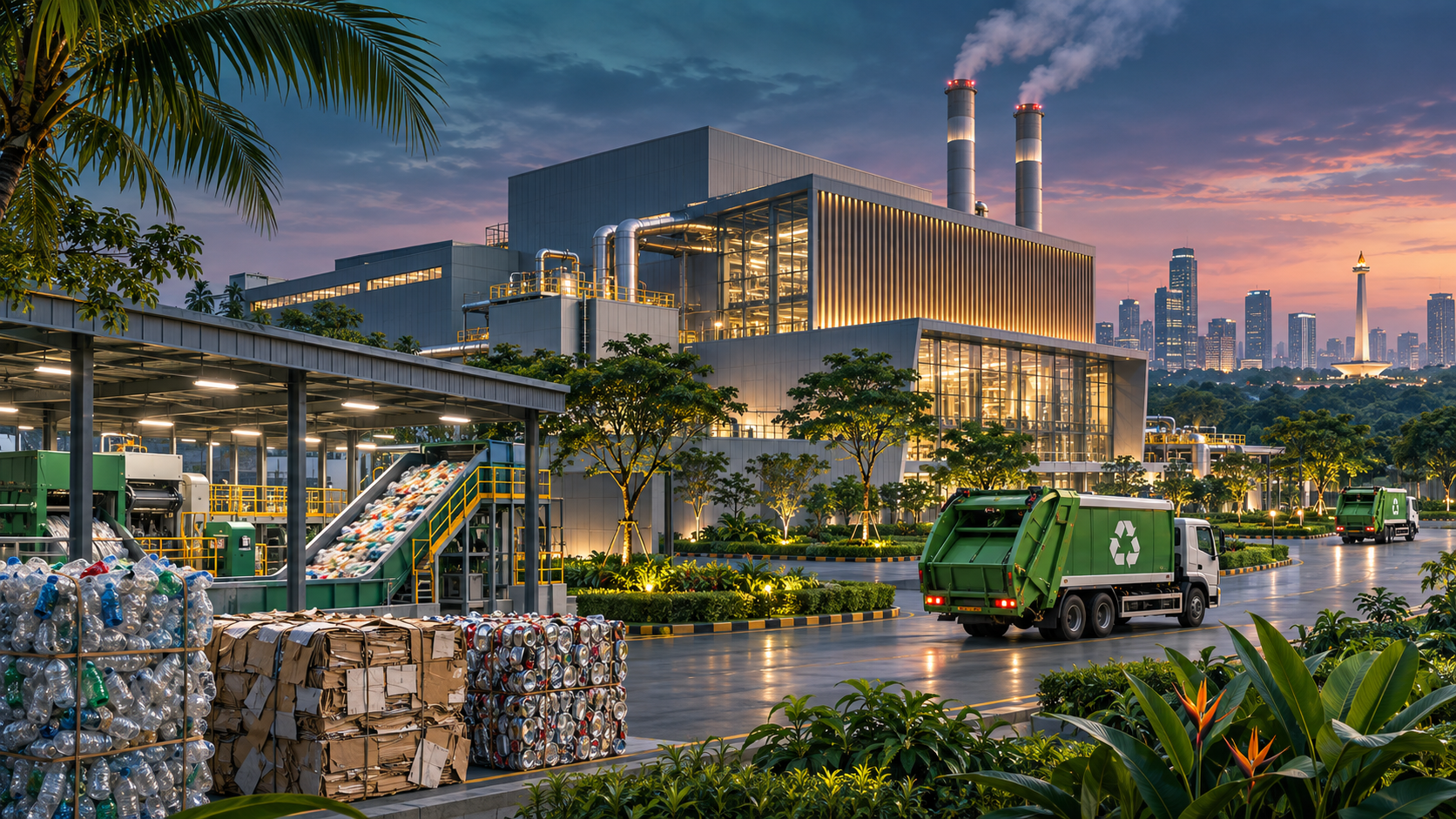
PT TBS Energi Utama (IDX: TOBA) shareholders approved an investment of up to S$555 million from funds and accounts managed by HPS Investment Partners, part of BlackRock, into SBTH Asia Holdings, the holding company for TBS’s waste-management businesses. The November 27 approval clears a major corporate-action hurdle for the company’s pivot from coal-linked operations toward waste services, recycling and energy-from-waste. The capital is intended to fund expansion across Asia, including acquisitions, and will be provided in multiple tranches.
The deal matters because TBS’s waste business already produces measurable operating scale. Its nine-month 2026 results show waste-management revenue rose 41% year over year to US$157.3 million, while the platform collected 755,990 tonnes of waste and served more than 470,000 households and businesses in Indonesia and Singapore. TBS’s broader waste platform also includes medical-waste services and energy-from-waste operations. HPS is backing an operating business with existing customers and cash-generating activity, rather than a greenfield project alone.
What did shareholders approve?
The extraordinary general meeting approved a material transaction for up to S$555 million, an amount exceeding 50% of TBS’s total equity. The company says HPS will subscribe for newly issued preference shares in SBTH and use other instruments. The proceeds are designated for the waste business’s Asian growth. TBS said it will retain control of the waste-management business while pursuing organic expansion and acquisitions.
The approval is not the same as S$555 million of cash already received. The maximum commitment is staged, and the public announcement does not describe all pricing, preference economics or drawdown conditions. For investors in TOBA, those terms will determine how much capital the platform can deploy, what economic rights HPS receives and how the returns are divided between the subsidiary’s investor and TBS. The holding-company structure channels funding to the waste platform without issuing new parent-company shares, while preference shares and other instruments still create claims on subsidiary economics.
How does the investment fit TBS’s financial results?
For the first nine months of 2026, TBS reported US$257.3 million of consolidated revenue, down 11% year over year as legacy-business revenue fell. Gross profit nevertheless increased 105% to US$45.2 million, and adjusted EBITDA rose 39% to US$44.4 million. Waste management and electric vehicles contributed 66% of revenue and 71% of adjusted EBITDA. Operating cash flow turned positive at US$20.3 million, and cash including restricted balances stood at US$89.6 million on September 30.
The waste investment is therefore an acceleration of an already material earnings transition. It could support acquisitions and infrastructure investment without requiring all expansion capital to come from TBS’s balance sheet. The counterpoint is that consolidated net loss remained US$35.4 million for the period, even after improving from the prior year, and the group still has coal mining and trading operations. Investors should value growth alongside financing cost, capital intensity and the quality of acquired earnings.
What will determine the deal’s return for TOBA investors?
The first evidence will be the timing and size of actual funding tranches, followed by how quickly the proceeds turn into new capacity, contracts and operating cash flow. TBS’s nine-month waste revenue and collection volumes provide a baseline for measuring growth. Acquisitions should be assessed on their purchase price, integration costs and contribution to margins, not only on added tonnes or geographic reach.
The key equity question is whether the waste platform can expand earnings faster than the preference financing accrues economic claims. TBS’s control of ordinary shares preserves strategic direction, but it does not mean the parent receives every dollar of incremental value. Investors should follow the final instrument terms, funding drawdowns and disclosure of the subsidiary’s financial performance. Investors following Indonesia’s foreign-capital profile can also read our [MSCI market-access analysis](/indonesia-msci-standalone-downgrade-consultation-market-access).
### How much did TBS shareholders approve for HPS to invest?
They approved a transaction of up to S$555 million, to be funded in multiple tranches through newly issued preference shares in SBTH and other instruments.
### Has TBS received the full S$555 million?
The amount is the maximum approved investment, not a report of cash already received. TBS described the transaction as multi-tranche funding.
### How large is TBS’s waste-management business?
In the first nine months of 2026, it recorded US$157.3 million of revenue and collected 755,990 tonnes of waste, serving more than 470,000 households and businesses in Indonesia and Singapore.
Sources
- TBS Energi — Shareholders approve HPS Investment Partners transaction
- TBS Energi — HPS investment to support waste-management expansion across Asia
- TBS Energi — Nine-month 2026 financial results
- Allen & Gledhill — S$555 million investment in PT TBS Energi Utama