Business · Analysis
Bangladesh Apparel Orders Shift to India as Factory Unrest Pressures Exporters
Fashion brands diverted about $254 million of Bangladesh orders in November, with India the main beneficiary. The market question is whether delivery reliability will outlast the disruption.
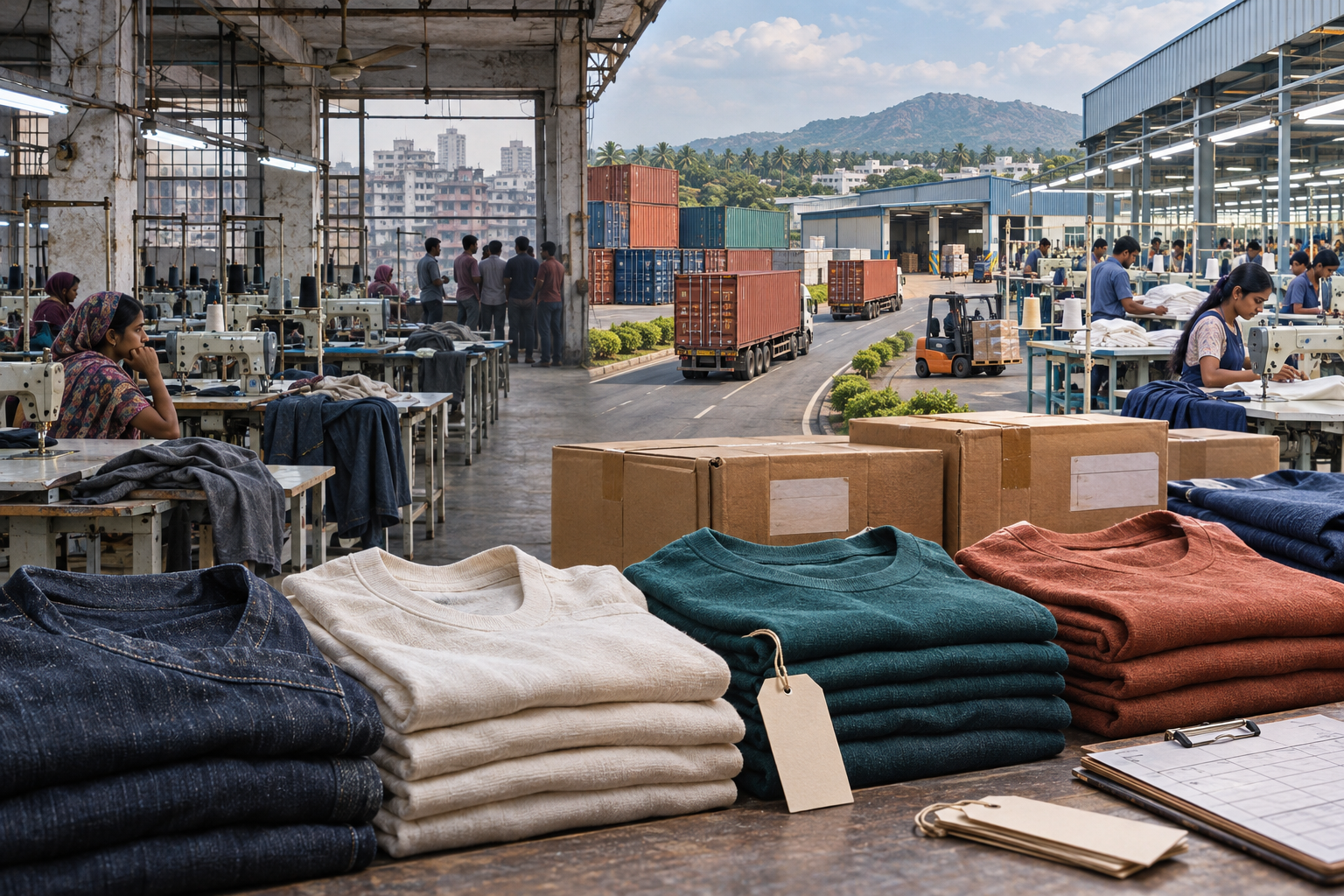
Fashion retailers moved about $254 million in apparel orders out of Bangladesh between November 1 and 18, with most redirected to India, according to factory owners cited by Reuters. The shift followed weeks of labor unrest, factory closures and shipment delays. For equity investors, the story is less a sudden boom in Indian textiles than a test of which suppliers can deliver on time while absorbing higher wages and energy costs.
Bangladesh’s garment sector generates more than 80% of export earnings and close to 40% of manufacturing jobs, Reuters reported, citing the Bangladesh Garment Manufacturers and Exporters Association (BGMEA). The trade diversion therefore affects foreign-exchange receipts, employment and factory utilization, not just individual clothing suppliers.
Why are fashion orders moving?
Retailers need predictable delivery windows. Bangladesh factories have lost production days during the unrest and face energy shortages that have forced some to use more expensive backup power. Reuters reported that rival suppliers can typically complete production and delivery within 60 to 90 days, compared with about 120 days in Bangladesh. India can be about a week faster, according to industry representatives.
Bangladesh raised the entry-level monthly garment wage by 36% to 17,000 taka, or about $136, after protests, the Associated Press reported. Workers had sought roughly double the previous 12,500-taka minimum. The increase raises payroll costs while leaving labor relations unsettled. That combination makes delivery certainty and the ability to meet buyers’ target prices more important to sourcing decisions.
Which companies and markets may benefit?
India received the largest reported share of shifted orders, while Vietnam, Cambodia and Indonesia also attracted buyers. Indian textile shares rallied after Reuters published the figures: Gokaldas Exports rose as much as 11%, Trident gained about 5%, and Welspun Living, KPR Mill and Vardhman Textiles advanced around 2% each. Those moves show investors are pricing a potential opportunity, not confirming that the new orders will become recurring revenue.
For exporters, the key earnings variables are utilization, product mix, labor and input costs, and the timing of customer payments. A sudden order inflow can lift factory activity, but capacity constraints, working-capital needs and buyer pricing can limit profit conversion. Investors should look for company disclosures on new customer programs, repeat orders and operating margins before assigning durable value to the shift.
Will the orders return to Bangladesh?
That depends on whether production stabilizes and buyers regain confidence. The BGMEA has confirmed that a significant volume of work orders shifted because factories could not ship on schedule. Factory owners told Reuters that persistent disruptions risk turning temporary diversions into long-term supplier changes. Buyers also began delaying or cancelling some new orders, widening the effect beyond a short backlog.
The next indicators are factory operating days, shipment performance, worker acceptance of the wage settlement and Bangladesh’s energy reliability. In India, watch whether textile companies confirm repeat business and whether margins hold as capacity fills. Until then, the order shift is a supply-chain signal with clear beneficiaries, but the long-term revenue split remains unsettled.
### How much apparel business left Bangladesh?
Factory owners told Reuters that brands diverted about $254 million in orders between November 1 and 18, with most going to India.
### Why does the shift matter for Bangladesh’s economy?
Garments account for more than 80% of Bangladesh’s export earnings and nearly 40% of manufacturing jobs, according to Reuters citing BGMEA.
### Is the order shift permanent?
Not yet established. Buyers’ decisions will depend on delivery reliability, costs and whether factories restore stable production.