Economy · Analysis
When does a tariff keep showing up in the inflation rate?
A permanent price increase can disappear from the annual inflation rate. Staggered price changes explain why the adjustment can last longer.
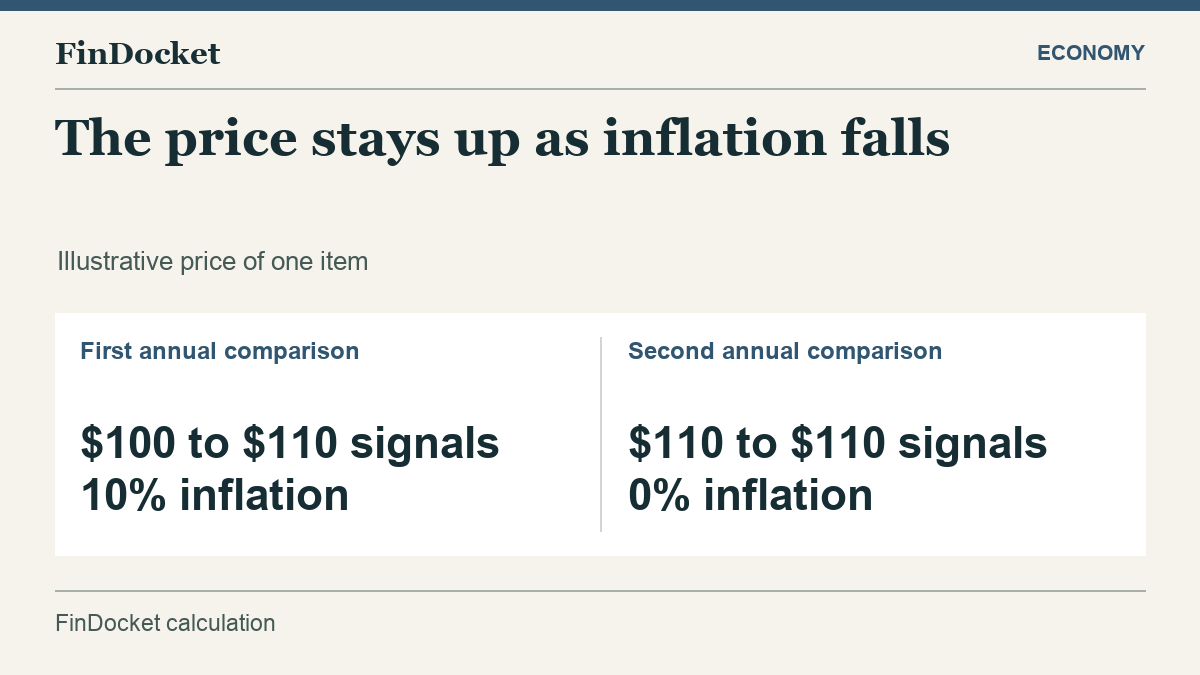
A tariff can leave a product permanently more expensive while lifting its measured year-over-year inflation rate for a limited period. Imagine a product priced at $100 for a year. Its price rises once to $110 and stays there. Against the old $100 base, the annual increase is 10%. Once both months in the comparison are at $110, annual inflation for that item is zero. The household still pays the higher price.
Real importers and retailers make that adjustment at different times. Some have goods already in warehouses, some can renegotiate with suppliers, and others reprice only at the next catalog or contract date. A series of one-time adjustments can therefore spread through the aggregate price index for months. Further tariff changes can create additional rounds.
What the import data can establish
New York Fed researchers found that the US side bore about 94% of the tariff incidence during the first eight months of 2025, declining to an estimated 86% pass-through to US import prices in November. Those figures concern prices at the border. They cannot by themselves specify the final change in a retailer’s price or the share of that month’s overall consumer inflation caused by tariffs.
To test a claim about persistent goods inflation, track the effective date of each duty, the affected goods’ weight, their subsequent price changes and when the old comparisons drop out. That sequence connects an observable policy change to a plausible period of inflation pressure.