Economy · Analysis
What a TV price index and a hospital price index actually measure
How statisticians account for television quality and hospital payments complicates direct conclusions about the causes of a price divergence.
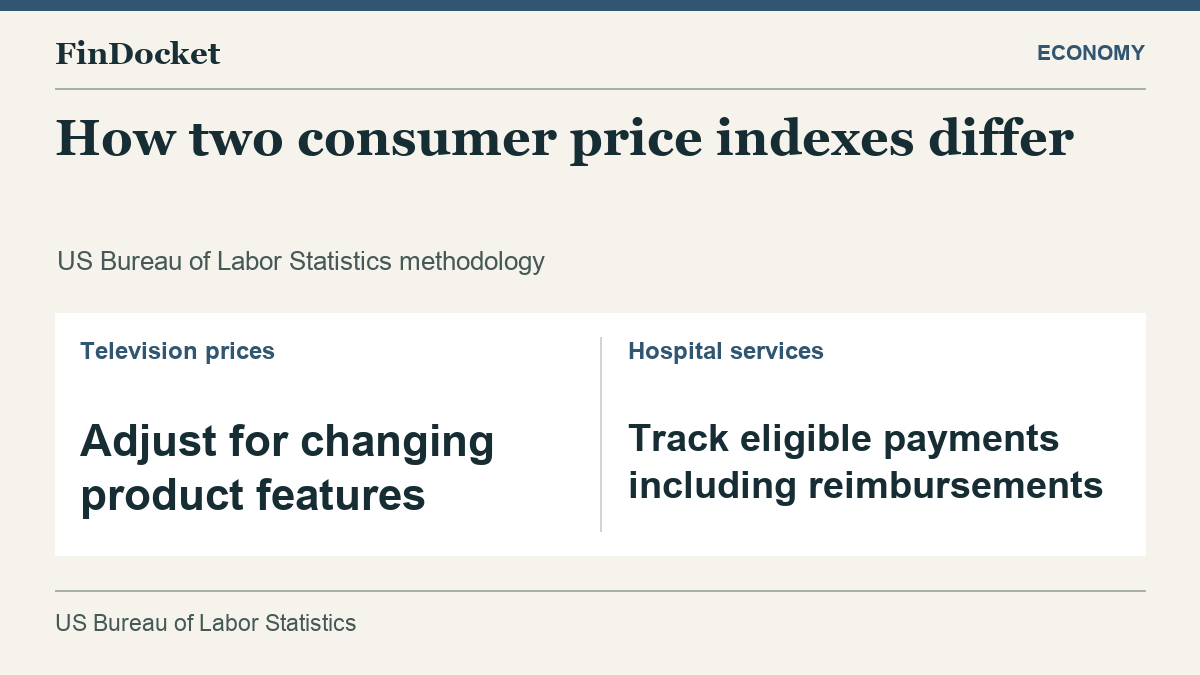
A chart comparing decades of television and hospital prices asks the reader to treat two index lines as though they were ordinary receipts. The Bureau of Labor Statistics constructs them differently for good reason. The TV on sale today can offer a larger screen and new capabilities. A hospital service involves a negotiated payment, a patient and often a third-party payer.
For televisions, BLS describes using a statistical model to estimate the price contribution of features. When a model disappears from stores and a different model replaces it, the agency can adjust for changes in product quality. A family can buy a much better set for the same number of dollars while the index records a decline in the price of equivalent quality. The published percentage does not say that a particular household’s checkout bill fell by that amount.
What is the price of a hospital visit?
The medical CPI uses specific payer categories and transaction-price concepts. Depending on the service, the payment can include reimbursement from an insurer alongside the patient’s contribution. The number on a hospital’s list of charges, the family’s copayment and the amount ultimately reimbursed can all differ.
The two series can document a striking divergence. To assign a cause, an analyst would need further evidence on technology, labor costs, payment arrangements, market structure and the timing of policy changes. Two lines indexed to the same starting year establish a comparison. They do not by themselves isolate the economic force driving it.